Choose an eccentric polisher car beginner setup by checking the job first

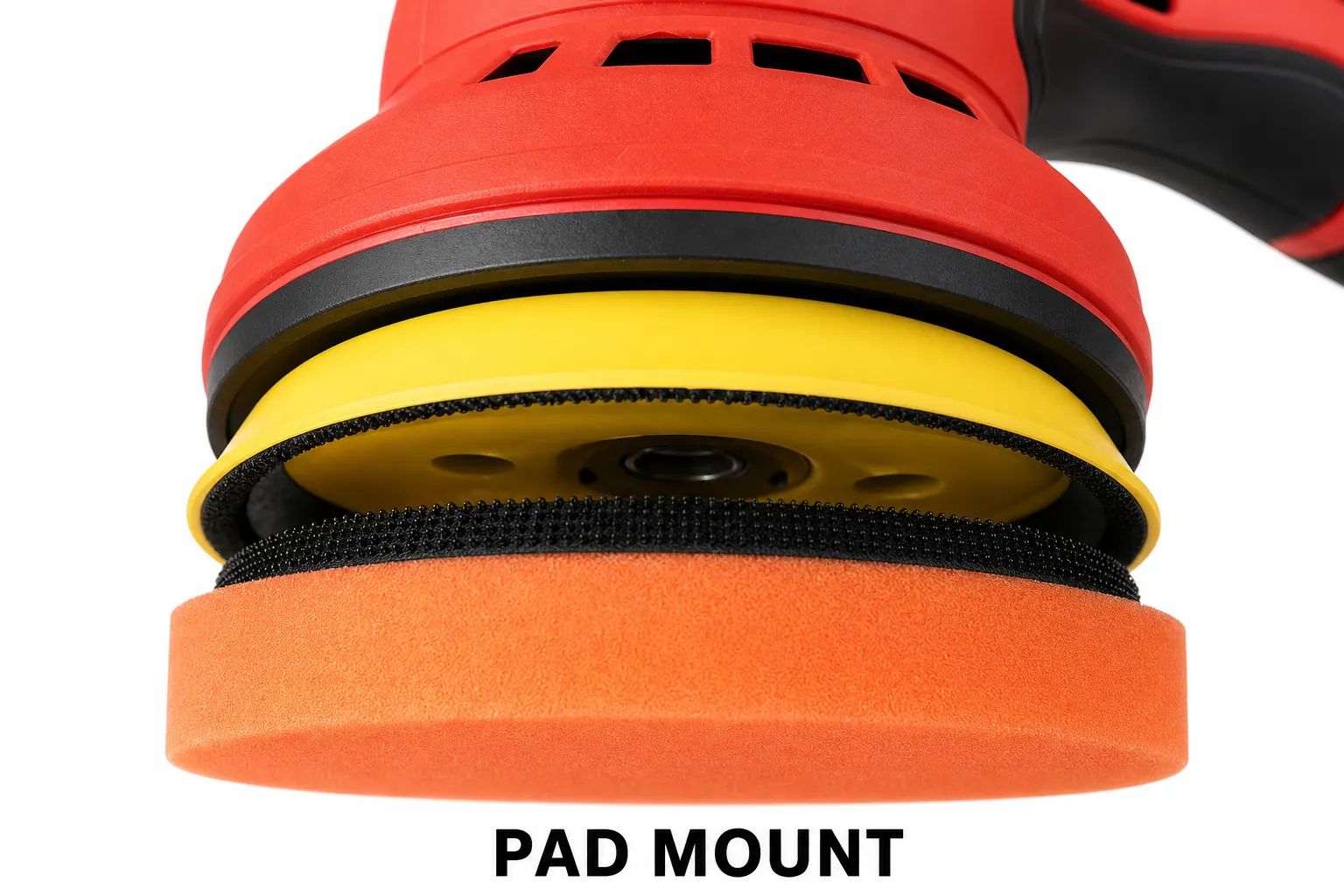
Yellow Cordless Eccentric Polisher Set With One Battery And Charger detail view

For an eccentric polisher car beginner, the practical first step is to confirm that the intended job is occasional exterior paintwork on your own car, then verify exactly what the selected kit contains. The yellow cordless eccentric polisher set is listed as a four-piece configuration with one battery and one charger. It also lists an eccentric polishing mechanism and a rechargeable lithium-battery power format for the product series. Before buying, do not assume that pads, polish, compound, backing plates or instructions are included unless the product listing confirms them.

This approach suits a buyer who wants to work more systematically than hand polishing, perhaps on a driveway or in a garage, but does not want to book a professional detailer for every job. The decision is not simply whether a machine looks more convenient. You need to match the tool with the condition of the paint, the space available, the accessories required and the amount of time you can give to preparation and inspection. A cordless format may appeal where a mains cable would be awkward, but battery capacity and charging arrangements still need checking before you plan the work.

Set the UK driveway or garage job before opening the kit

A typical UK home setup might be a clean driveway, a garage with enough room to open the doors, or a covered working area where the car can stay dry while you prepare it. Start by deciding which panels actually need attention rather than treating the whole vehicle as one uninterrupted task. Dull paint, light marks noticed after washing and an uneven-looking finish can all prompt a closer inspection, but their appearance alone does not establish how deep the damage is or whether machine polishing is the right remedy.

The working surface matters as much as the tool. The car should be clean enough for you to distinguish dirt from paint defects, and the panel should be cool and suitably lit for inspection. Keep the planned area manageable, especially if you are unfamiliar with machine polishing. A bonnet or one section of a door is a more useful starting point than committing immediately to every panel. This gives you a defined place to assess the result and decide whether the chosen product and technique are appropriate before continuing.

Check the documented four-piece configuration and the missing contents

The confirmed configuration is specific: yellow finish, four-piece set, one battery and one charger. The listing also identifies an eccentric polishing mechanism and a rechargeable lithium-battery power format for the product series. Those are the facts you can use when comparing the set with your intended work. They do not tell you the battery runtime, charging time, operating speed, pad size, backing-plate specification or weight, so those details should not be guessed from the product name or from photographs.

The remaining contents deserve particular attention because a four-piece label does not, by itself, identify every component. Check the current product page for the exact contents of the selected yellow configuration. Look specifically for polishing pads, a backing plate, compounds or polish, a charger connection, operating instructions and any storage provision. If a pad or backing plate is not listed, treat it as something you may need to source separately, and confirm compatibility before ordering. This simple check prevents a battery-powered tool arriving without the consumables needed for the planned panel.

Understand what the eccentric mechanism does not prove for a beginner

Eccentric is a description of the polishing mechanism, not a guarantee about the finished result. It does not, on the facts supplied, confirm a particular speed range, correction level, runtime, noise level or degree of user control. It is therefore sensible to treat the mechanism as one part of the buying decision rather than as a promise that the machine will remove every swirl mark or restore severely damaged paint.

A first-time user should also avoid assuming that a machine removes the need for preparation or care. The result depends on the surface condition, the product placed on the pad, the working area, the pressure used and the inspection between stages. If you are uncertain about the depth of a mark, if paint is peeling, or if the panel has a more serious defect, a beginner machine-polishing session may not be the right first move. Consider seeking an experienced assessment rather than using an unfamiliar tool on the most visible panel.

Use this panel-by-panel sequence before relying on the battery

A sensible sequence is: inspect the paint in good light; wash and dry the chosen panel; remove obvious contamination using products suitable for the vehicle; mask or protect adjacent trim where appropriate; select a small test area; use only a confirmed compatible pad and polishing product; work that test area methodically; wipe and inspect the finish; then decide whether to continue. Keep notes on the panel, pad and product used. If the result is not clear, stop and reassess rather than increasing pressure or repeating the pass without understanding what changed.

Plan the battery around this sequence rather than starting with a whole-car promise. The supplied kit includes one battery and one charger, but the available facts do not state how long one charge lasts or how long charging takes. Charge it according to the supplied instructions before beginning, and make sure the charger and battery are present before scheduling the job. If you expect to polish several panels, divide the work into realistic sessions. That is more dependable than assuming a single charge will cover every stage of preparation and polishing.

Compare the cordless set with hand polishing and a corded alternative

Hand polishing remains the simpler comparison when you have one small area to improve and already own suitable products. It requires no machine battery, but covering several panels can be physically repetitive and the pressure and movement may be less consistent from one section to another. The cordless set offers a different working arrangement: one battery and one charger are included in the selected yellow four-piece configuration, and there is no mains lead described in the supplied product facts. Whether that arrangement is preferable depends on your workspace and the size of the job.

A corded polisher may be worth considering if uninterrupted mains power is more important to you than moving freely around a parked car, but the supplied facts do not provide a direct specification comparison with one. Ask the same questions of every option: what mechanism is used, what is in the box, which pads and products fit, how is the tool powered, and what instructions are supplied? For this cordless set, the unanswered runtime and accessory questions are central. Do not choose on the word cordless alone if the rest of the working setup is unclear.

Use this buying checklist at the product page

Before ordering, work through the following checks in order. First, confirm the exact selected colour and configuration: yellow, four pieces, one battery and one charger. Second, confirm that the page still identifies the eccentric polishing mechanism and rechargeable lithium-battery power format. Third, identify the other two pieces rather than assuming they are pads or polishing products. Fourth, check whether the pad, backing plate, compound, polish and any required attachments are included. Fifth, confirm that the listed accessories match the surfaces and products you plan to use.

Finally, check the practical setting. Measure or consider the available working space around your car, decide where the battery will be charged, and choose a small test panel before planning a full exterior job. Ask whether you are comfortable stopping if the result is uncertain, and whether you have enough time for cleaning, preparation, testing and inspection rather than only the machine-polishing stage. If the listing does not answer a question that affects compatibility or intended use, seek clarification before purchase instead of filling the gap with an assumption.

Take a controlled next step after the beginner check

If the documented configuration matches your needs, the next useful step is to read the full listing for the selected yellow set and make a written in-the-box list. Then gather the surface-preparation products and compatible polishing materials that are confirmed for the tool. Do not begin by chasing the most aggressive correction you can imagine. Choose one modest test area, record what you used and inspect the result before working further across the car. That process gives you a clearer basis for deciding whether the machine suits your ability and the condition of the paint.

If the listing leaves the accessories, runtime or operating instructions unclear, pause the purchase and ask for those details. A beginner needs to know not only that the set contains one battery and one charger, but also whether the rest of the intended workflow can be completed with compatible equipment. The yellow cordless eccentric polisher may be a practical candidate for occasional home car-care work, but the right decision comes from matching confirmed contents and working conditions to your actual job. Buy when those checks are answered, not simply because the kit appears compact.